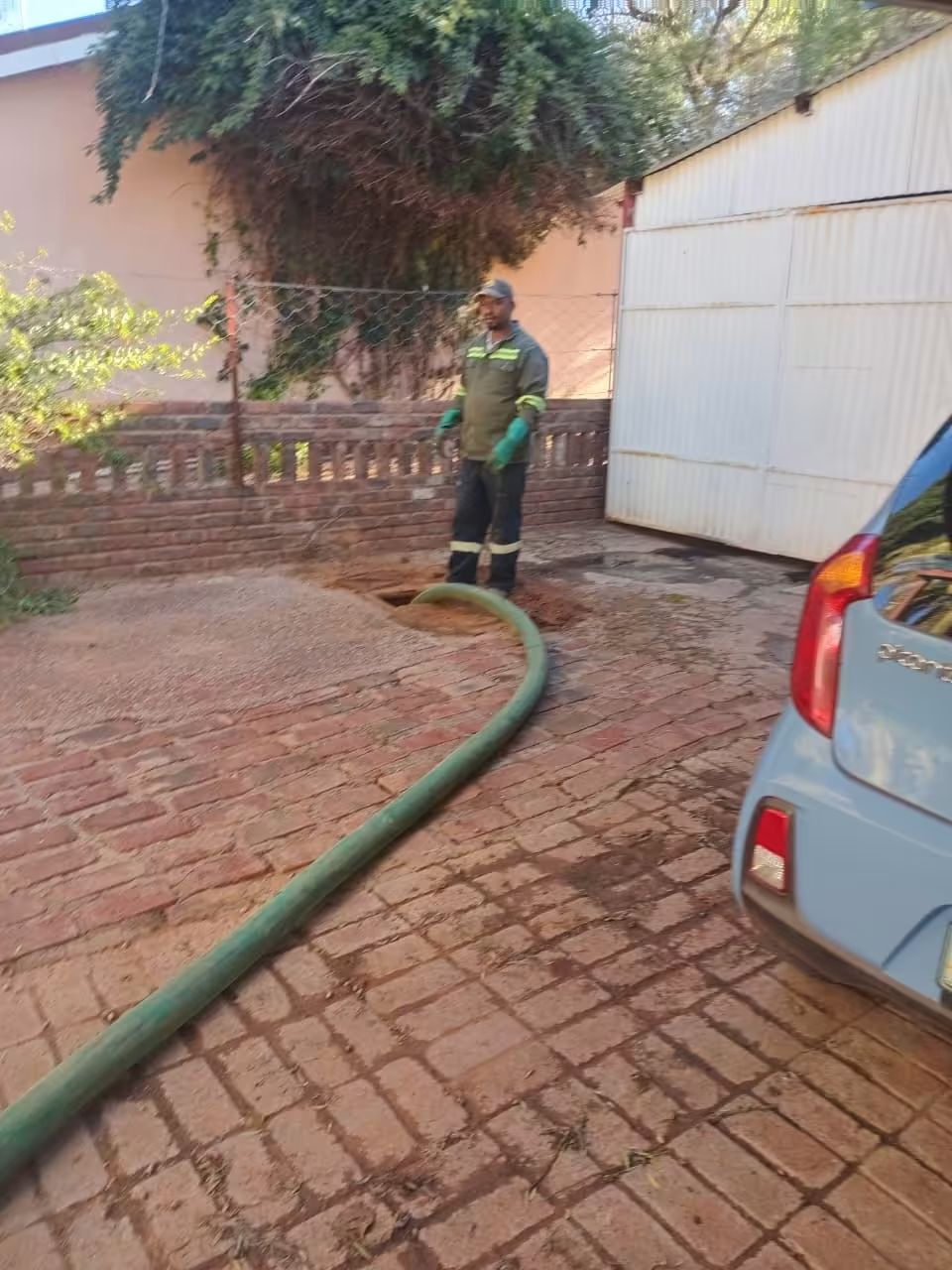
Sanitation service delivery in Gamagara is regulated by national legislation and guided by municipal planning instruments such as the IDP, WSDP, and SDBIP. The Constitution, Water Services Act, Municipal Systems Act, National Water Act, and MFMA clearly define the municipality’s legal mandate to provide sanitation services, maintain infrastructure, regulate service standards, and ensure environmental compliance.
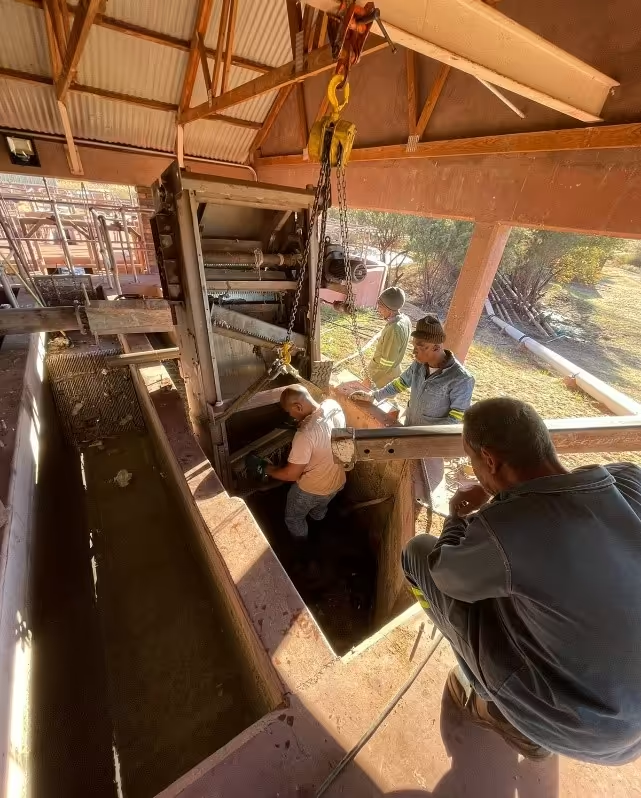
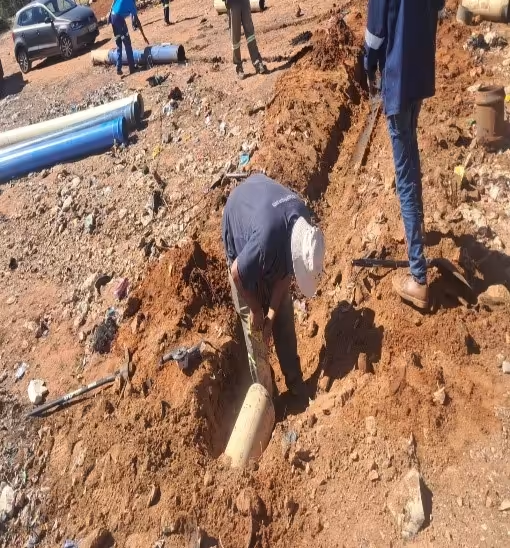
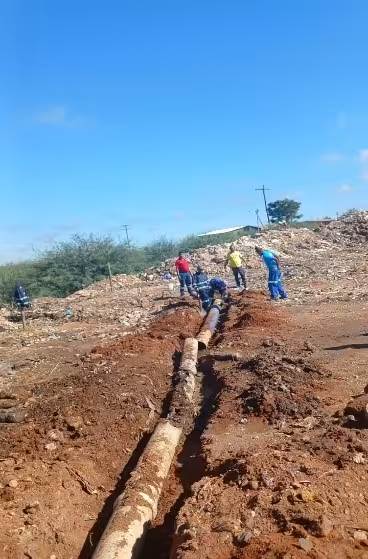
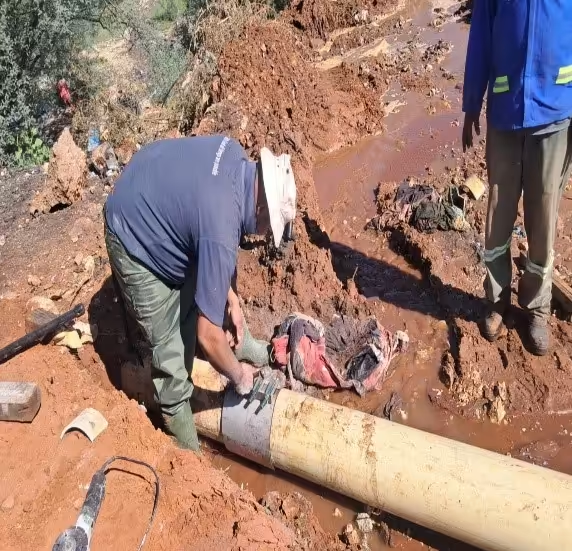
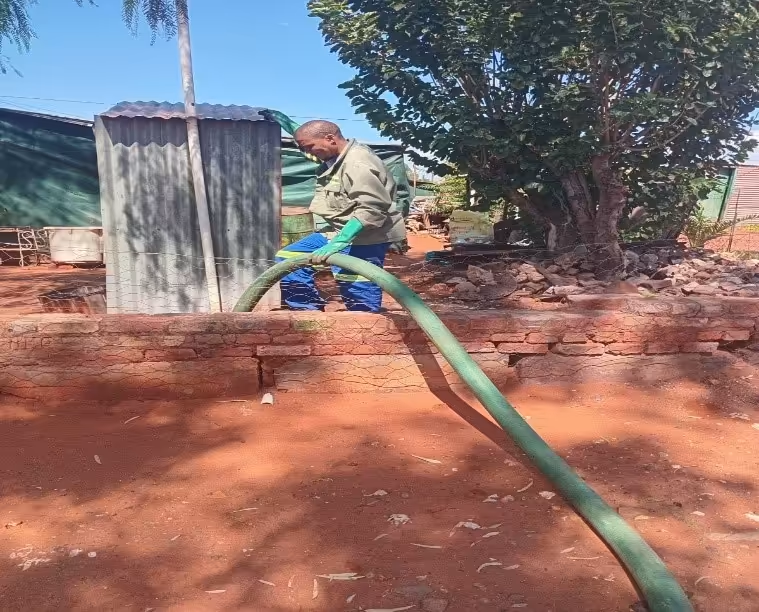
The Sanitation Unit is responsible for the safe collection, conveyance, treatment, and disposal of wastewater. The unit manages sewer networks, 49 pump stations (44 in Kathu, 3 in Oliefantshoek and 2 in Dibeng), and wastewater treatment works (10Mℓ Return Activated Sludge WWTW in Kathu, combination of oxidation ponds and biofilter treatment plant in Dibeng, and Oxidation Ponds in Oliefantshoek) while ensuring environmental compliance. Its mandate includes infrastructure operation and maintenance, infrastructure expansion and management, regulatory compliance preventative maintenance, and system upgrades to promote public health, protect the environment, public support and response, and support dignified living conditions.
As at 2024/25:
- 85% of households receive sanitation services above minimum standards.
- 15% remain below minimum levels due to informal settlement growth, backlogs, funding limitations, and illegal land occupation.
- Gamagara manages multiple sanitation technologies, including:
– Full waterborne sewer networks,
– Septic tanks,
– VIP toilets,
– Oxidation ponds, biofilters, and activated sludge treatment processes.
Rapid population growth, mining sector expansion, and infrastructure ageing have increased pressure on existing systems, highlighting the need for upgrades and proactive maintenance.
Status Quo of Sanitation Infrastructure
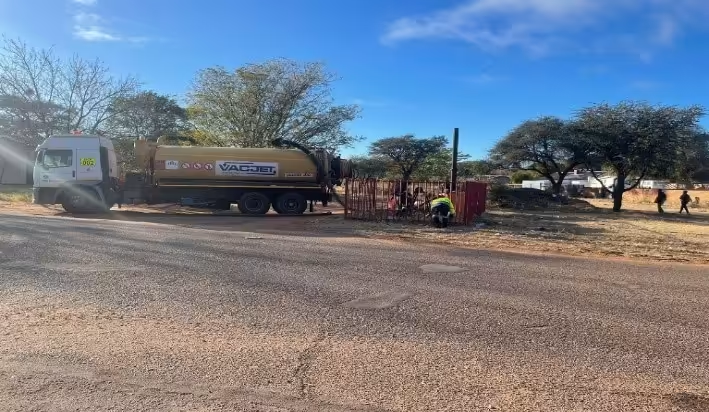
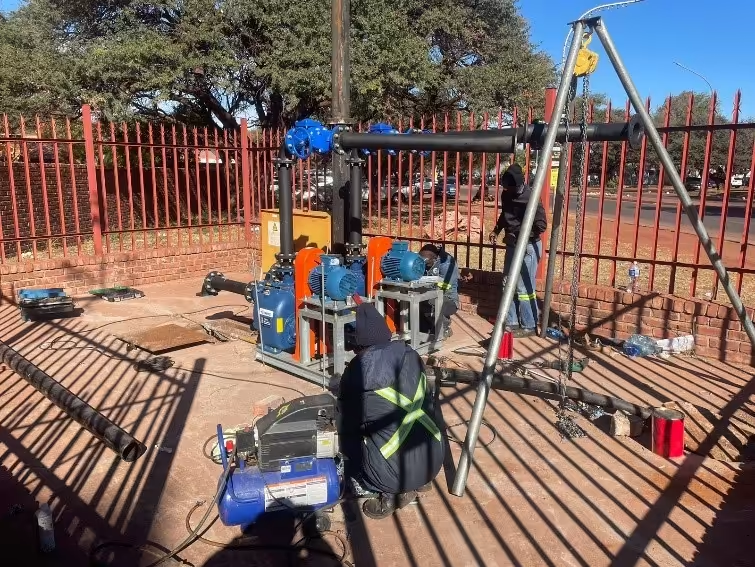
Gamagara operates 46 sewer pump stations across Kathu, Olifantshoek, and Deben. Three Kathu pump stations (EX-04, EX-07, and Sishen Skoonplaas) remain under Kumba Iron Ore maintenance.
General Infrastructure Condition
Recent conditional assessments show:
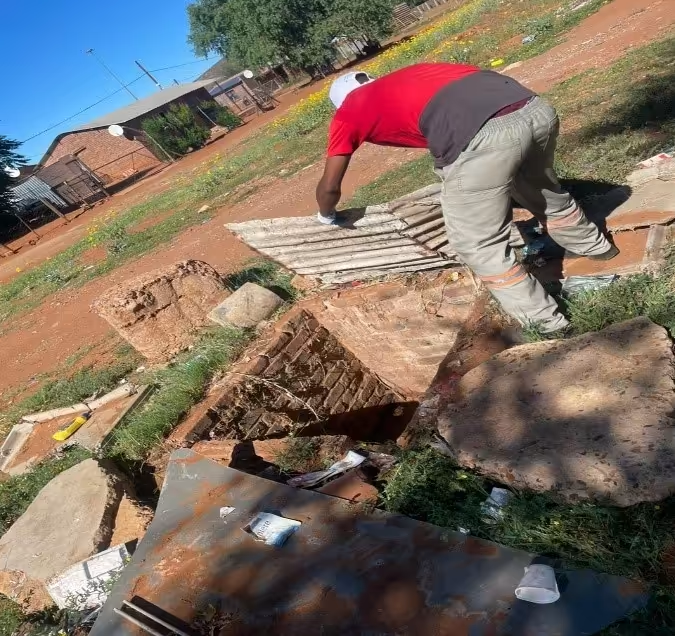
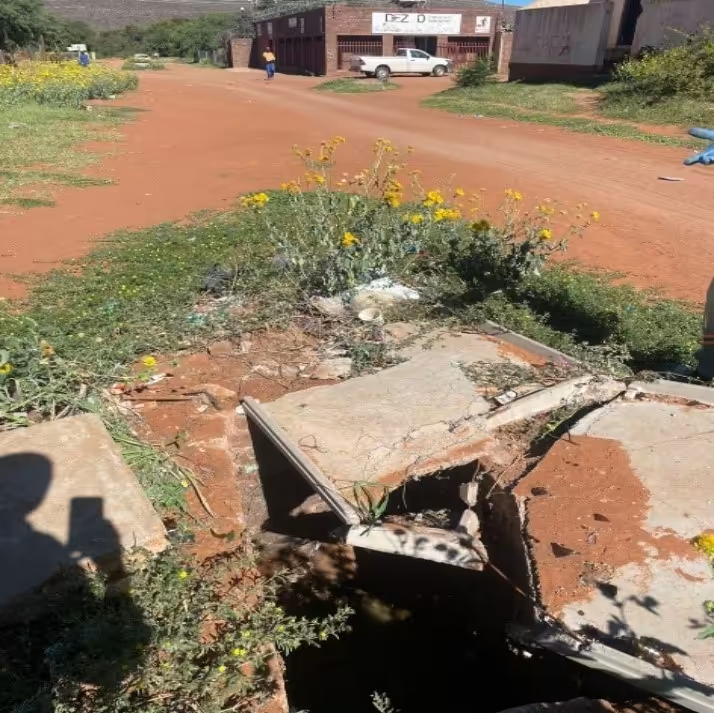
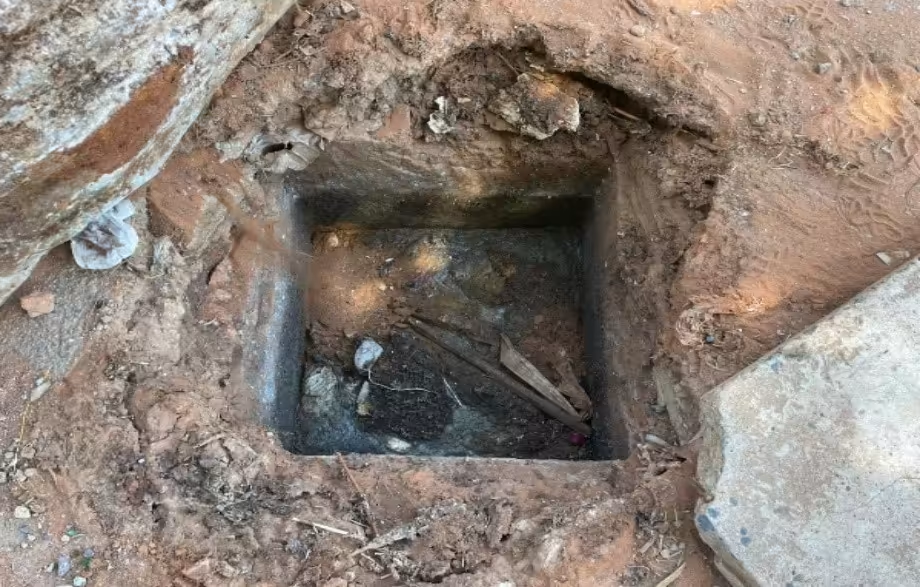
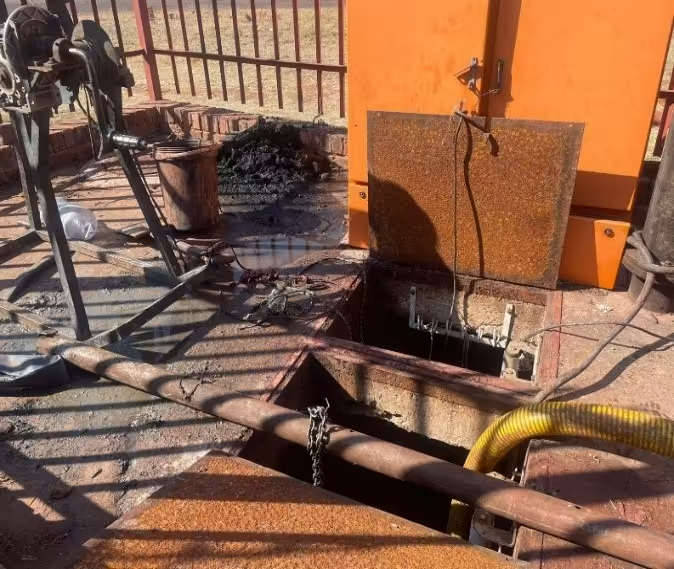
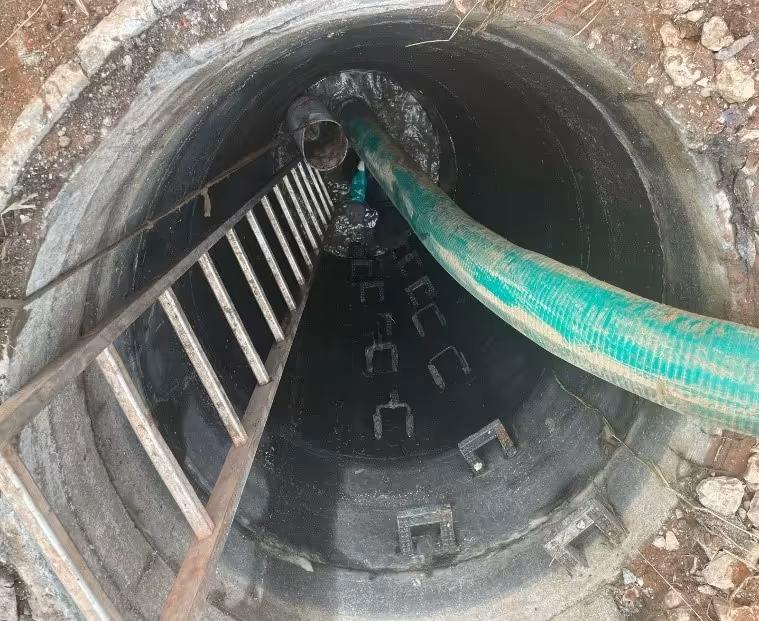
- Many stations have aged mechanical components, rusted sump covers, damaged guide rails, and failing pumps.
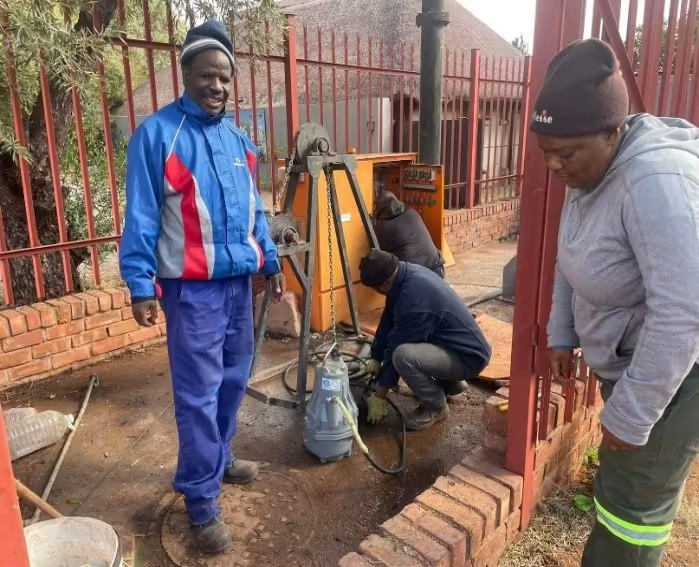
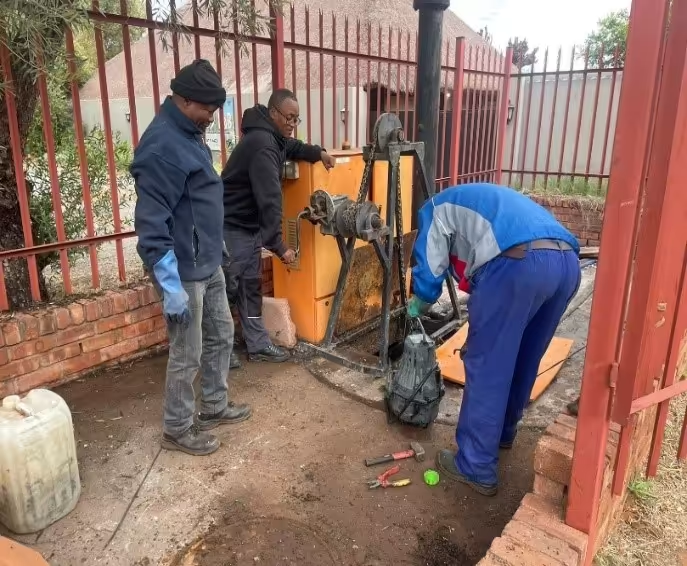
- Frequent failure of submersible pumps (2.2 kW to 7.4 kW units).
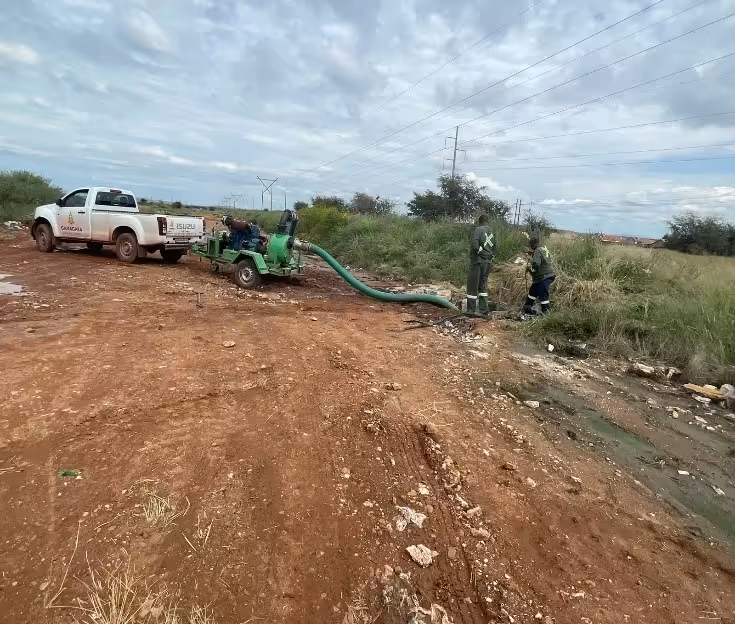
- Temporary lay-flat hose systems in several stations due to pump or electrical failure.
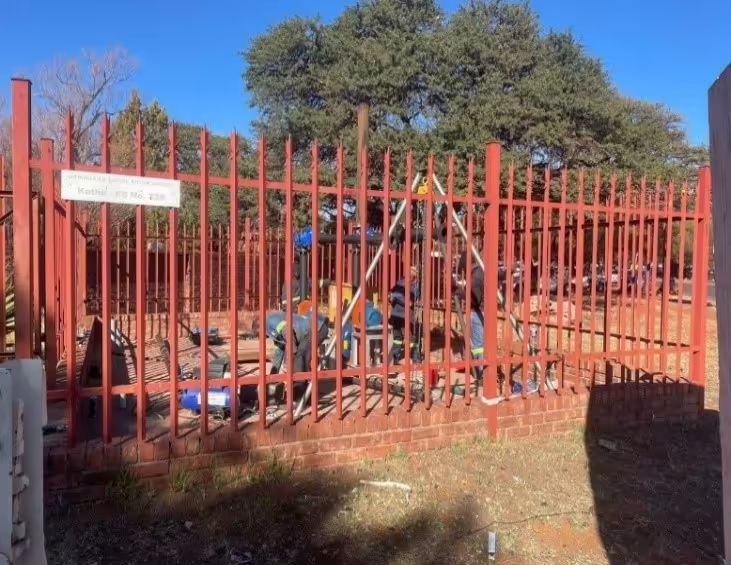
- Security concerns, damaged fencing, and vandalism at several facilities.
- Electrical control panels in need of rewiring or replacement.
- Lack of water points (taps) at numerous stations hampers cleaning and maintenance.
- Overflow risks during load-shedding due to lack of backup power.
A detailed list of findings for all stations (Pumpstations 232–G28, Deben PS 1–2, and Olifantshoek PS 1–2) is included in the assessment report.
Wastewater Treatment Works
- Kathu WWTW: Activated sludge; improved performance after reactivation of older 3.5 ML/day module; requires 6.5 ML/day expansion.
- Dibeng: Bio-filtration system; underperforming in effluent compliance; inadequate monitoring.
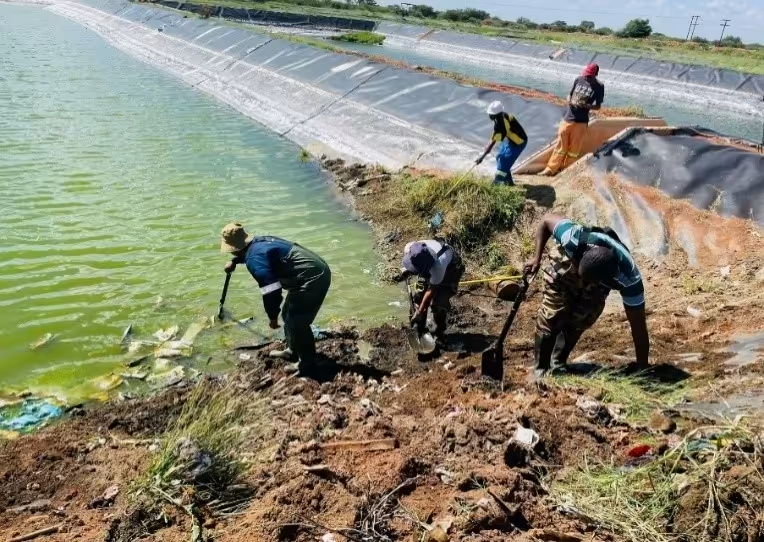
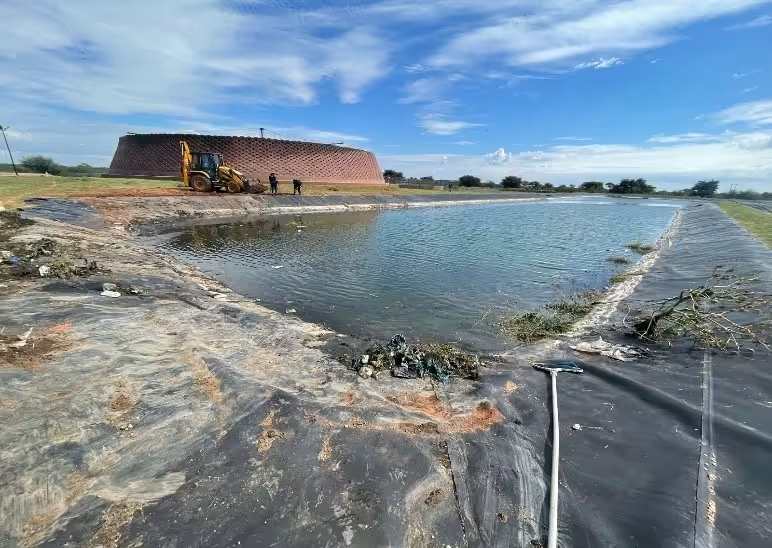
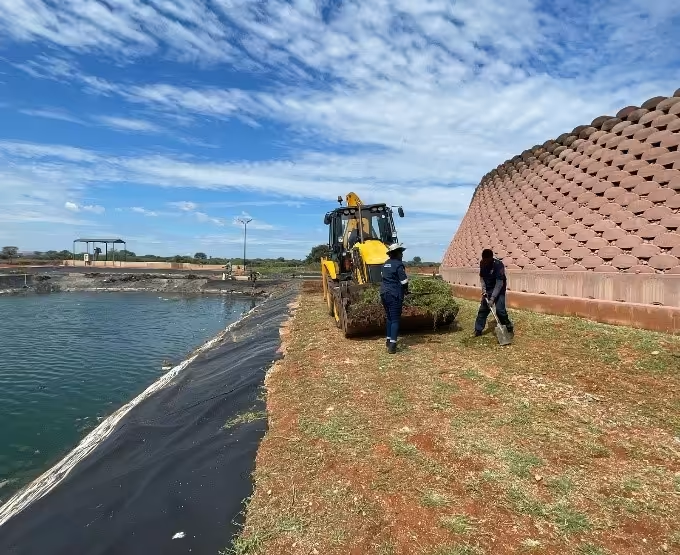
- Olifantshoek: Oxidation ponds; poor performance; high Green Drop non-compliance risks.
Challenges
Key challenges affecting sanitation service delivery include:
Infrastructure and Technical Challenges
- Ageing pump stations and wastewater treatment infrastructure.
- Lack of backup power leading to sewer overflows during load-shedding.
- Insufficient maintenance vehicles, tools, and materials.
- High operational demand due to rapid population growth and mining expansion.
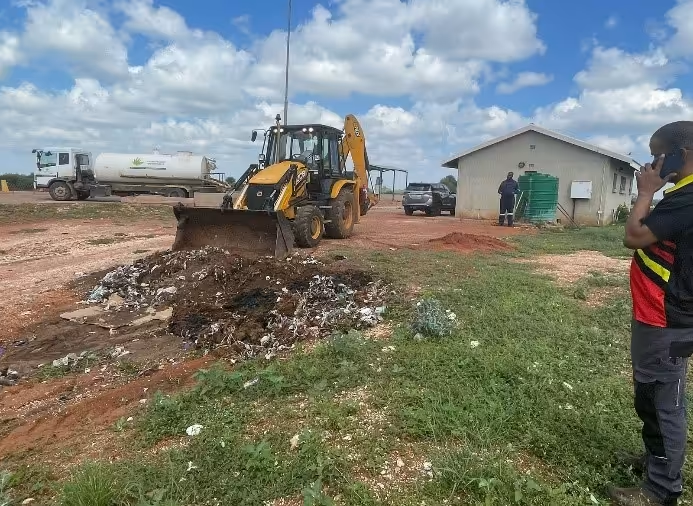
- Foreign objects (rags, plastics, stones) causing frequent blockages.
- Grease and fats discharged by businesses into sewers.
Security and Vandalism
- Theft of electrical cables, pumps, motors, and components.
- Vandalism of fencing, gates, and windows.
- Illegal connections and tampering with electrical panels.
Human Resource Gaps
- Staff shortages and vacancies in technical roles (plumbers, millwrights, artisans).
- Limited skills development and training.
Financial Constraints
- Inadequate maintenance and upgrade budget.
- Limited funding for bulk infrastructure.
- High cost of repairs and pump replacements.
- No budget for counter-funding required for national grants.
Environmental and Compliance Challenges
- Effluent quality challenges, especially in Olifantshoek and Dibeng.
- Incomplete W2RAPs and process audits.
- Green Drop non-compliance findings.
Mitigations
The Municipality is implementing the following measures:
- Prioritising high-risk pump stations (e.g., main stations, Gorman-Rupp stations).
- Increasing monitoring, inspections, and clearing of sewer lines.
- Collaborating with mining companies on infrastructure support and joint funding.
- Community education campaigns to reduce foreign object disposal.
- Strengthening security through improved fencing, repairs, and lighting.
- Applying for WSIG, RBIG, and MIG funding for upgrades.
- Improving operational monitoring, laboratory testing, and flow measurements.
- Developing preventive maintenance schedules.
Gamagara Green Drop Status
2021 Audit Findings
- Overall municipal score: 26%
- Key failures:
– No W2RAPs
– Unclassified process controllers
– Poor effluent compliance
– Lack of flow data
– Under-performing treatment works
– Failing infrastructure
2025 Interim Audit Progress
- Improved score: 55% (non-compliant but improving)
- Significant progress:
– Flow data captured for all sites (Jul–Sept 2025)
– Enhanced monitoring at Kathu and Dibeng
– Active engagements on the IRS platform with DWS auditors
– Partial completion of classification requirements
2025 Priority Actions
- Finalise W2RAPs for all WWTWs.
- Improve effluent quality at Dibeng and Olifantshoek.
- Upgrade electrical panels, chlorine dosing, degritting systems.
- Improve asset management and financial reporting.
- Recruit and classify process controllers.
Justification for Infrastructure Upgrades
The need for upgrades and rehabilitation is justified because:
- Many assets are beyond design life and at risk of catastrophic failure.
- Compliance with the Constitution, Water Services Act, and NWA is mandatory.
- Growth in mining and residential development requires increased capacity.
- Preventive maintenance will reduce service disruptions and long-term costs.
- Environmental protection and Green Drop compliance require urgent improvements.
Implications
Financial Implications
- Significant capital investment required for pump replacements, electrical upgrades, and WWTW expansion.
- Increased operational costs (energy, repairs, staffing).
- Enables motivation for WSIG, RBIG, MIG, and mining SLP funding.
Social Implications
- Reduced sewer spillages and health risks.
- Improved service reliability for communities and businesses.
- Supports dignified sanitation services and human rights.
Legal Implications
- Non-compliance may result in penalties, directives, or legal claims.
- Failure to manage wastewater appropriately risks violating Section 24 (environment) and Section 27 (access to services) of the Constitution.
Recommendations
The Municipality should:
- Prioritise critical pump stations with major failures (e.g., PS 235, 238, 249, Rooisand 1–3, Deben PS1, Olifantshoek Main PS).
- Implement a preventive maintenance plan, reducing reliance on reactive repairs.
- Upgrade and refurbish infrastructure, including pumps, electrical panels, guide rails, and sump covers.
- Ensure adequate budgeting and pursue external funding through WSIG, RBIG, MIG, and mining SLPs.
- Enhance staff capacity, training artisans, process controllers, and technical assistants.
- Implement monitoring systems such as SCADA or telemetry for early detection of failures.
- Improve security through fencing, lighting, and surveillance to reduce vandalism.
- Strengthen Green Drop compliance through W2RAP finalisation, effluent monitoring, and process optimisation.
- Establish backup power systems (generators or solar-hybrid systems) for high-risk pump stations.
- Conduct public awareness campaigns on preventing sewer blockages
Photo Gallery
Default Gallery